
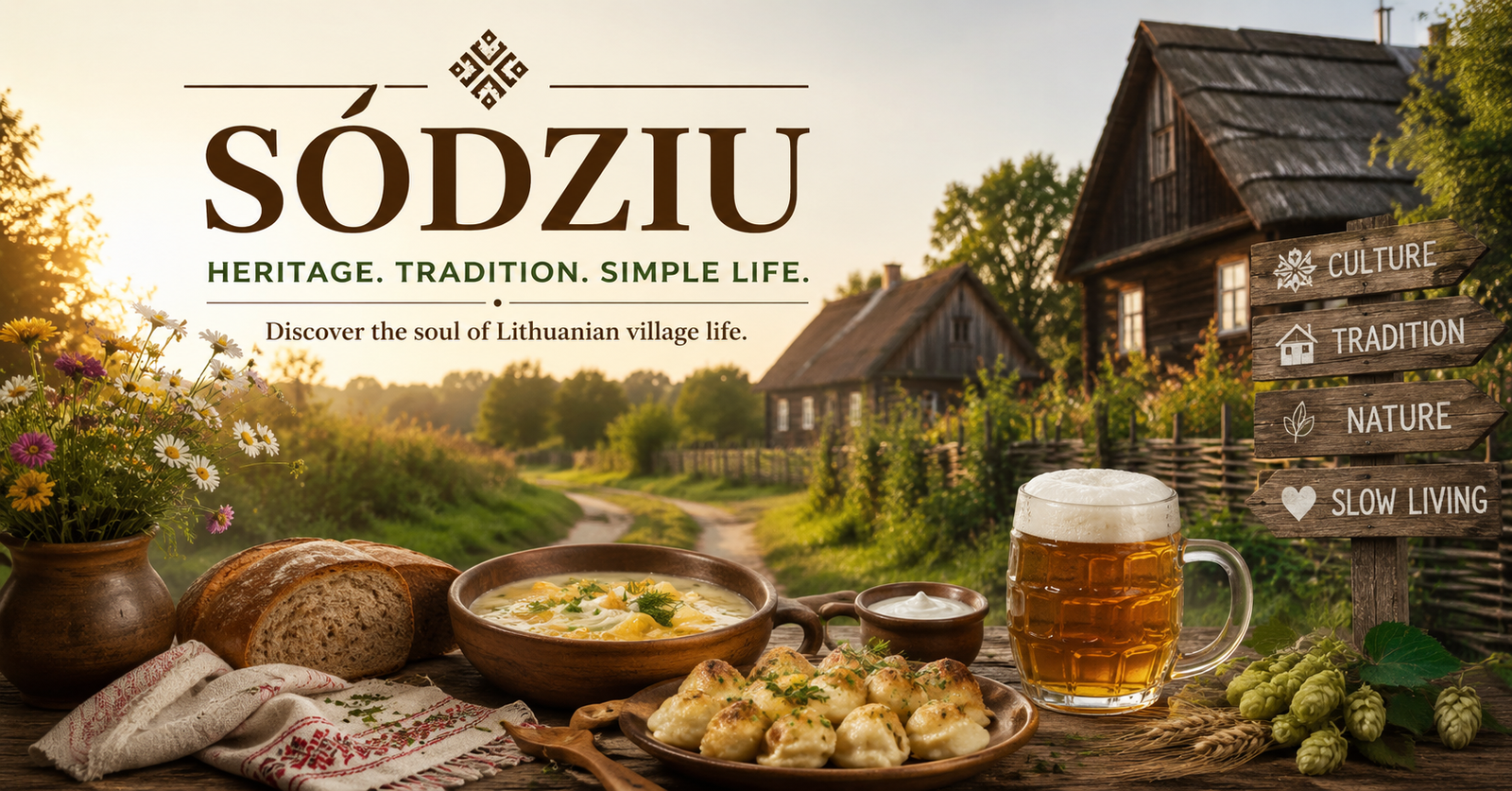
Sodziu is a unique cultural term strongly connected to heritage, rural traditions, and the peaceful spirit of countryside living. While many people recognize Sodziu as a word related to villages or rural settlements, its meaning extends much deeper than geography. It represents a way of life shaped by family values, nature, cooperation, local customs, and emotional connection to cultural roots.
In recent years, it has gained increasing attention online because people around the world are becoming more interested in traditional lifestyles, sustainability, cultural tourism, and authentic living experiences. Modern life often feels rushed and disconnected, which is why many individuals are now searching for slower and more meaningful ways of life.
The concept is especially important within Lithuanian cultural heritage, where traditional villages played a major role in preserving language, customs, folklore, architecture, and rural identity.
What Does Sodziu Mean?
The word Sodziu is commonly linked to the Lithuanian term “sodžius,” which traditionally refers to a countryside village, homestead, or rural settlement. However, the true meaning of it goes beyond a physical location.
It represents:
- Community living
- Shared traditions
- Family unity
- Cultural identity
- Peaceful rural life
- Connection to nature
For many people, the word creates images of wooden houses, green landscapes, homemade meals, and close-knit communities where neighbors support one another. It carries emotional warmth because it reminds people of simpler times and stronger human relationships.
The Historical Origins of Sodziu
The roots of Sodziu can be traced back to ancient Baltic agricultural societies, where early rural communities were built around farming, livestock care, and strong cooperation between families. These settlements developed in fertile areas rich in natural resources, allowing communities to survive and grow together over generations. Life in traditional Sodziu villages depended heavily on teamwork and shared responsibility. Families worked side by side during planting and harvesting seasons, built homes collectively, and supported one another during difficult times by sharing food, labor, and resources.
Over the centuries, it evolved into much more than a simple settlement pattern. It became a cultural symbol representing stability, resilience, and collective identity. Rural villages played a major role in preserving local languages, customs, folk songs, and traditions during periods of social and political change. The historical lifestyle of Sodziu communities shaped important values that are still associated with the concept today, including respect for elders and the preservation of tradition.
Traditional Life in Sodziu Communities
Life in traditional Sodziu villages followed the natural rhythm of seasons and agriculture. Daily routines were organized around farming, weather conditions, and family responsibilities.
Daily Activities in Sodziu
People living in Sodziu communities often spent their days caring for livestock, planting and harvesting crops, baking bread, preserving vegetables, repairing tools and homes, gathering firewood, and preparing traditional meals. Daily life followed the rhythm of nature and seasonal work, making every task important for the survival and well-being of the community.
Community Cooperation
One of the strongest features of Sodziu life was cooperation and mutual support among villagers. Community members regularly helped one another during important moments such as harvest periods, weddings, religious celebrations, home construction projects, and family emergencies. This shared sense of responsibility created a close-knit environment where people relied on each other not only for practical assistance but also for emotional support.
The Importance of Family
Family remained the center of village life. Multiple generations often lived close together, allowing traditions and cultural knowledge to pass naturally between age groups.Respect for parents and grandparents formed a major part of Sodziu culture, helping preserve identity and continuity.
Traditional Architecture and Rural Design
The architecture found in Sodziu communities reflected simplicity, practicality, and local craftsmanship. Most buildings used materials available from the surrounding natural environment.
Features of Traditional Sodziu Homes
- Wooden walls and floors built from locally available natural materials
- Thatched or shingled roofs designed to protect homes from harsh weather
- Handmade furniture crafted for both comfort and practicality
- Clay ovens used for heating homes and preparing traditional meals
- Decorative wood carvings that reflected local artistic traditions
- Small gardens and orchards surrounding homes for fresh produce and herbs
Village Layout and Environment
Traditional villages were usually surrounded by green fields, rivers and lakes, forests, farmland, gardens, and barns that supported everyday rural life. The natural environment played a major role in shaping the design and structure of these communities, as villages were carefully built to remain connected with nature and agricultural activities. Homes and buildings were positioned close enough to encourage communication, cooperation, and strong relationships between neighbors.
Food and Culinary Traditions in Sodziu
Food has always been an important part of Sodziu culture because meals reflected both local agriculture and family traditions.
Traditional Ingredients
- Potatoes were a staple food in many daily meals
- Grains were commonly used for bread, porridge, and traditional dishes
- Root vegetables provided important nutrition during all seasons
- Dairy products such as milk, butter, and cheese were widely consumed
- Mushrooms gathered from forests added flavor to traditional recipes
- Fresh herbs were used to season soups, meats, and vegetable dishes
Traditional Cooking Methods
- Slow simmering was commonly used to create rich and flavorful soups and stews
- Baking in clay ovens helped prepare fresh bread, pastries, and traditional meals
- Smoking meats allowed families to preserve food for extended periods
- Fermentation was used for vegetables, dairy products, and beverages
- Seasonal foods were carefully preserved for use during harsh winter months
- Natural cooking techniques helped maintain flavor, texture, and nutritional value
Social Importance of Food
Meals were more than daily necessities. Shared food represented hospitality, family unity, and celebration. During festivals and holidays, entire communities gather together for large meals and traditional dishes.Today, many rural restaurants and cultural festivals continue to preserve traditional Sodziu-inspired cuisine.
Folklore and Oral Traditions
Traditional Folk Stories
Oral traditions in Sodziu communities often included nature legends, moral lessons, family histories, spiritual beliefs, village myths, and seasonal stories that reflected everyday rural life and cultural heritage. These stories were passed down from one generation to another through conversations, gatherings, and family traditions
Folk Music and Dance
Music formed another essential part of village culture in Sodziu communities. Folk songs were commonly performed during weddings, harvest festivals, religious celebrations, family gatherings, and seasonal rituals, bringing people together through shared traditions and joyful experiences. These songs often reflected themes of nature, family, love, hard work, and community life.
Traditional Crafts
Village artisans played an important role in preserving the cultural identity of Sodziu communities through traditional craftsmanship and handmade creations. They produced embroidered textiles, pottery, woven fabrics, wooden carvings, and decorative household items using skills passed down through generations. These crafts were not only practical for daily life but also carried symbolic meanings connected to local beliefs, traditions, and regional history.
Festivals and Seasonal Celebrations
| Festival Type | Main Activities | Cultural Importance |
| Harvest Festivals | Community feasts, folk music, dancing, storytelling, and religious ceremonies | Celebrated the successful gathering of crops while strengthening gratitude, cooperation, and social unity within the community |
| Midsummer Traditions | Bonfires, traditional songs, flower crowns, and outdoor celebrations | Reflected the close relationship between people and nature and honored seasonal change and cultural customs |
| Winter Gatherings | Handmade decorations, shared meals, traditional music, storytelling, and craft-making | Encouraged family closeness, preserved cultural identity, and maintained traditions during the colder months |
Sodziu and the Connection to Nature
Nature has always been central to the meaning of Sodziu. Rural communities depended directly on the environment for survival and therefore developed strong respect for natural balance.
Seasonal Living
- Spring represented renewal and planting
- Summer focused on growth and celebration
- Autumn centered on harvest and preparation
- Winter encouraged reflection and indoor traditions
Sustainable Practices
Traditional villages practiced forms of sustainability long before the concept became modern or widely discussed around the world. Rural communities connected to Sodziu naturally followed environmentally responsible lifestyles because their survival depended directly on nature, farming, and careful use of available resources.
Peaceful Rural Atmosphere
The calm and natural landscapes connected to Sodziu continue attracting people who are searching for peace, mindfulness, emotional balance, and relief from the pressures of modern urban life. Surrounded by green fields, forests, rivers, gardens, and traditional countryside scenery, Sodziu offers an atmosphere that feels quiet, refreshing, and deeply connected to nature.
Modern Revival of Sodziu
Interest in Sodziu has grown significantly in modern times because people increasingly value authenticity and cultural heritage.
Rural Tourism and Eco-Living
Many travelers now seek experiences connected to:
- Countryside stays
- Traditional villages
- Organic farming
- Handmade crafts
- Nature retreats
- Cultural workshops
Rural tourism allows visitors to experience the slower pace and traditions of village life.
Social Media and Digital Interest
Digital platforms have also helped revive interest in Sodziu culture. Videos featuring:
- Traditional cooking
- Village routines
- Folk music
- Forest landscapes
- Homemade crafts
have gained popularity online.
Younger generations are becoming more interested in reconnecting with cultural roots and learning forgotten traditions.
Why Sodziu Matters Today
Lessons from Sodziu Culture
The concept of it teaches several important life values that remain relevant even today. It emphasizes that community support matters, as people achieve more when they work together and help one another in daily life. It also highlights the importance of respecting nature, encouraging a balanced relationship between humans and the environment.
Cultural Preservation
It plays an important role in preserving a wide range of cultural elements that define traditional rural life. It helps protect folk traditions that have been passed down through generations, ensuring that customs, rituals, and seasonal celebrations are not forgotten. Rural architecture is also preserved through it, as traditional building styles, materials, and village layouts are maintained as part of cultural heritage.
The Growing Popularity of Sodziu Online
The keyword Sodziu is becoming increasingly popular in tourism content, cultural blogs, heritage websites, lifestyle discussions, sustainability topics, and rural travel guides. Its emotional and cultural appeal makes it a strong keyword for storytelling and educational content, as it reflects tradition, identity, and simple rural life. People searching for it are often interested in Lithuanian culture, village traditions, rural tourism, authentic travel experiences, cultural identity, and slow living.
Conclusion
It is far more than a simple village term. It is a cultural symbol representing heritage, tradition, family values, community life, and harmony with nature.From traditional architecture and homemade cuisine to folklore, festivals, and sustainable living practices, it reflects a timeless way of life built around cooperation and cultural identity.
Its growing popularity in tourism, digital culture, and heritage preservation shows that traditional values still hold deep importance today. As modern society becomes increasingly fast and technology-driven, many people continue searching for authenticity, peace, and meaningful human connection
 Hamid
Hamid